What Documents Do I Need for a Thailand Visa in 2026? (Passport Validity, Photos, TM.7, and More)
Applying for a Thailand visa in 2026 involves more paperwork than most travelers expect. Between passport rules, photo specifications, the TM.7 extension form, and the newer digital arrival requirements, it is easy to miss a detail that delays your application or gets you turned away at the airport. This guide breaks down exactly what you need, in the order you will typically need it, so your Thailand visa application goes smoothly the first time.
1. A Passport That Meets the Validity Requirement
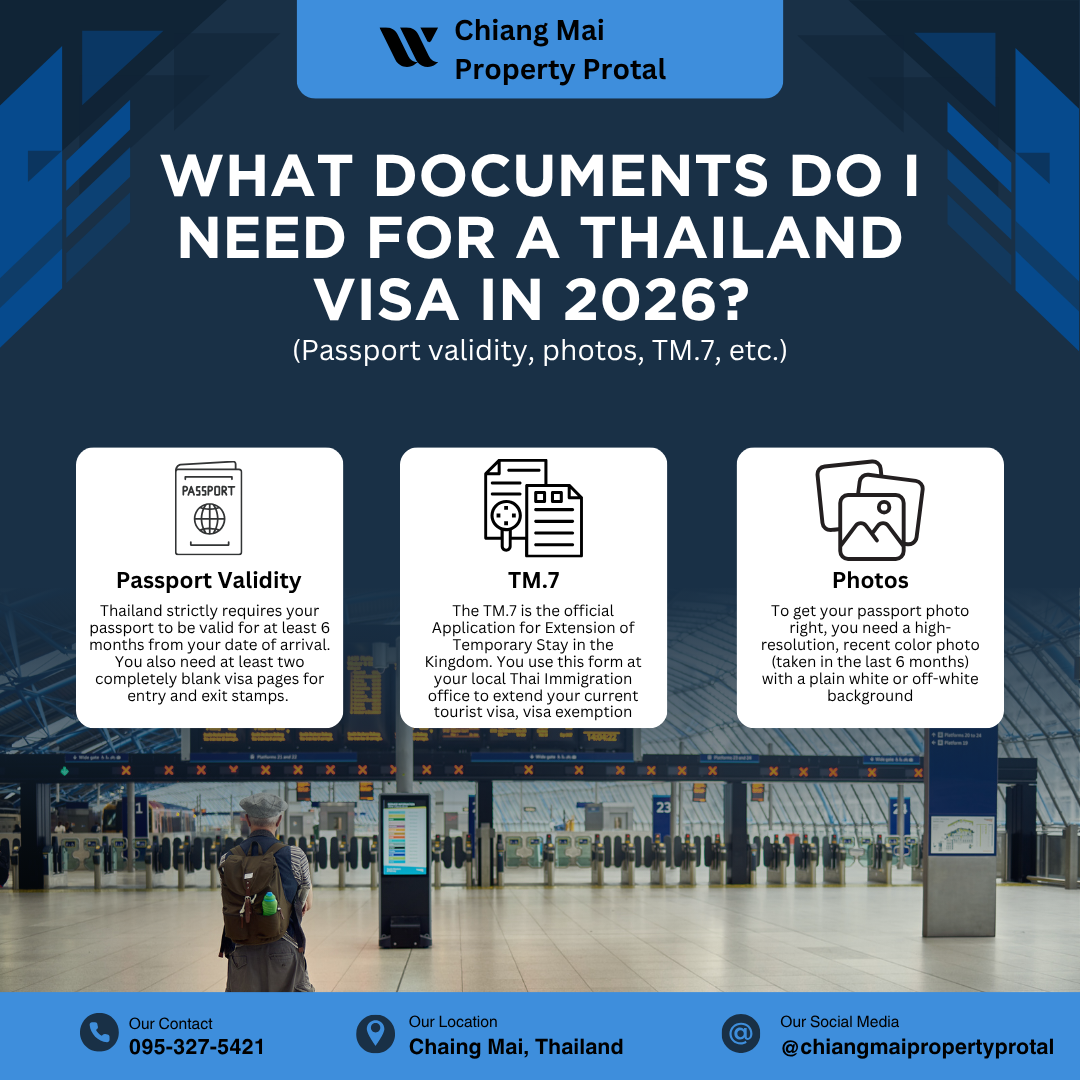
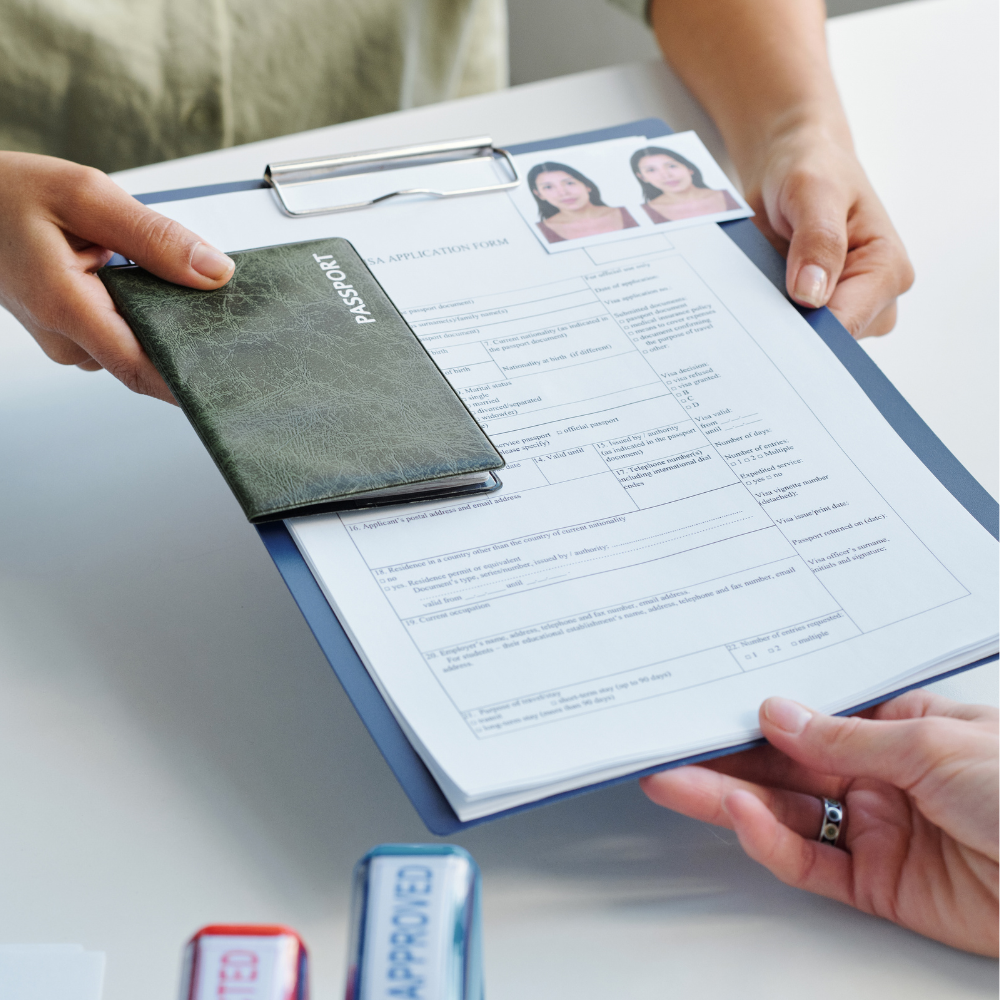
Every Thailand visa application starts with your passport, and this is the single most common reason applications get rejected. Thai immigration requires your passport to be valid for at least six months from your date of entry into the country. Airlines are required to check this before you board, and immigration officers check it again on arrival, so there is no way around it.
Beyond the six-month rule, your passport should have at least two blank visa pages, and the biographical data page should be clearly legible with no damage. If you are close to renewal, it is worth renewing before you apply for your Thailand visa rather than after, since a mid-process passport renewal will restart parts of your application.
2. A Completed Visa Application Form
Most Thailand visa categories — Tourist, Non-Immigrant B, Non-Immigrant ED, DTV, and the retirement-based Non-O and O-A — are now processed through the official Thai e-Visa portal. You will create a profile, fill in your personal and travel details, and upload supporting documents directly through the platform rather than mailing paperwork to an embassy.
If you are already in Thailand and need to extend an existing visa, the relevant form is different: the TM.7 “Application for Extension of Temporary Stay”, available directly from the Immigration Bureau. The TM.7 is submitted in person at your local immigration office, along with your passport, a photocopy of the relevant passport pages, your current visa or entry stamp, and the extension fee (currently 1,900 THB). It’s worth printing the TM.7 on both sides of a single sheet, since immigration offices routinely reject copies printed on two separate pages.
3. Passport-Style Photographs
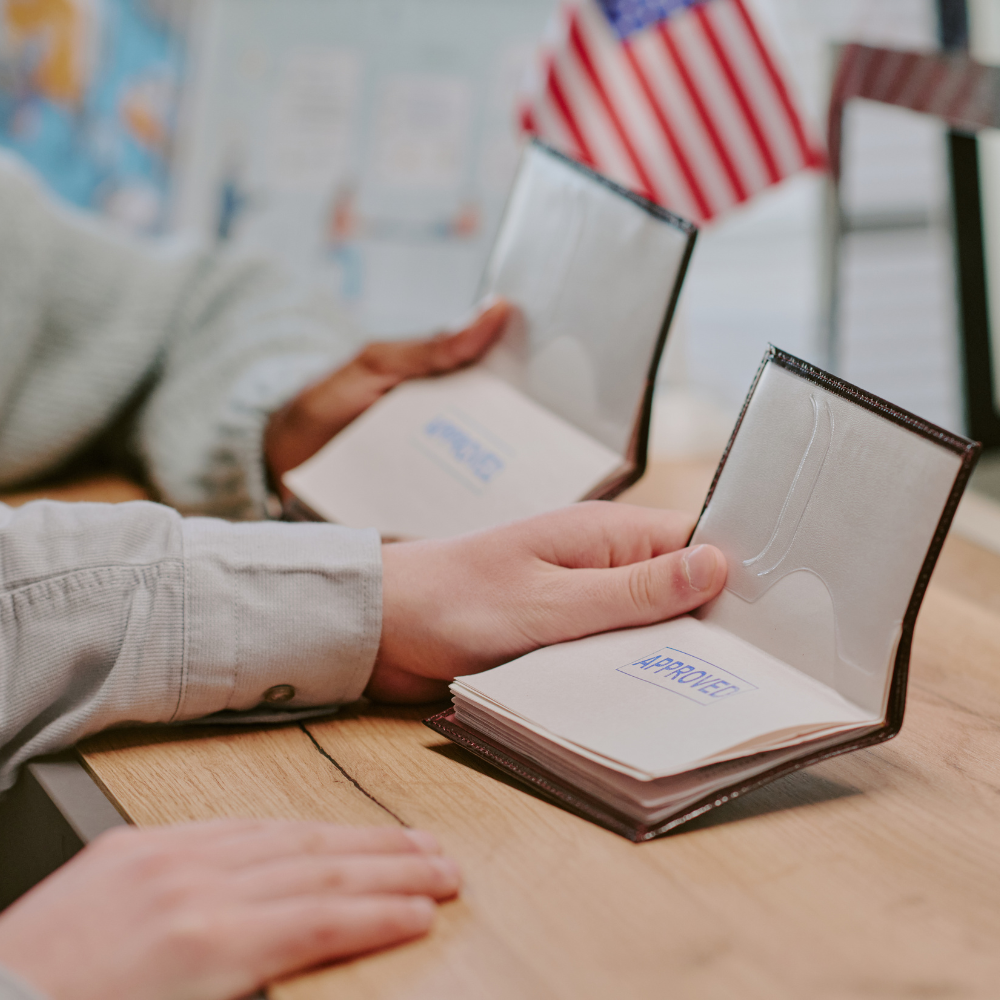
Photo requirements differ slightly depending on where and how you apply for your Thailand visa, so double-check which category you fall into before printing photos:
- Embassy or consulate applications (Tourist, Non-Immigrant, and most long-stay categories applied for outside Thailand): photos should be 3.5 cm x 4.5 cm.
- Visa on Arrival and in-country extensions: photos should be 4.0 cm x 6.0 cm.
- General quality standards: taken within the last six months, plain white or off-white background, neutral expression, no glasses glare, and no headwear except for religious reasons.
Digital uploads through the e-Visa portal have their own file size and resolution requirements, so it’s worth reading the platform’s photo guidance before submitting rather than resizing an old passport photo and hoping it passes.
4. Proof of Accommodation
Whether you’re applying for a Thailand visa from abroad or extending one locally, you’ll typically need evidence of where you’re staying — a hotel booking confirmation, a signed lease, or an invitation letter from a host if you’re staying with someone. If you’re renting or staying somewhere for more than 24 hours, your accommodation (or you, if renting privately) is also responsible for filing a TM.30 notification of residence with Thai immigration. This isn’t a visa document itself, but immigration will ask for the TM.30 receipt when you apply for extensions, so it’s worth keeping a copy from day one.

5. Proof of Onward or Return Travel
For shorter-stay Thailand visas, particularly the Tourist Visa, you’ll usually need a return or onward flight itinerary. This doesn’t need to be a fully paid ticket in every case, but immigration officers want to see that you have a documented plan to leave the country before your permitted stay expires.
6. Proof of Financial Means
This is where requirements vary the most by visa type, so it’s worth confirming the exact figure for your category before you apply for your Thailand visa:
- Tourist Visa: generally a bank statement showing sufficient funds for your trip.
- DTV: at least 500,000 THB (or equivalent) held for a minimum of three months.
- Non-Immigrant B: financial documentation tied to your employer, not personal savings — see our Non-Immigrant B visa requirements guide for the employer-side paperwork.
- Retirement visas (Non-O / O-A): 800,000 THB deposited or a monthly income of 65,000 THB, detailed in our retirement visa options guide.
Bank statements need to be official documents — not screenshots — and most embassies want the balance date within a set window of your submission, so timing matters as much as the amount.

7. Category-Specific Supporting Documents
Once the core paperwork above is in place, each Thailand visa type has its own additional requirements:
- Non-Immigrant B applicants need a work permit application filed through the Department of Employment’s e-WorkPermit system, along with company registration documents from the sponsoring employer.
- Non-Immigrant ED applicants need an acceptance letter and the institution’s Ministry of Education license — our education visa requirements post breaks this down in full.
- DTV applicants need evidence of remote employment or an approved activity, covered in our DTV requirements guide.
- Retirement (O-A) applicants applying from abroad also need health insurance meeting Thailand’s minimum coverage thresholds.
If you’re still deciding which category applies to you, our overview on choosing the right Thailand visa is a good place to start before you gather documents for a specific category.
8. The Thailand Digital Arrival Card (TDAC)
This one catches a lot of travelers off guard because it isn’t a visa document at all — it’s a separate, mandatory entry requirement. Since May 2025, every foreign national entering Thailand, regardless of visa type, must complete the Thailand Digital Arrival Card within 72 hours of arrival. It replaced the old paper TM.6 card and covers personal information, travel details, accommodation, and a health declaration. Completing your Thailand visa paperwork correctly doesn’t help you at the airport if you’ve skipped the TDAC, so treat it as a required final step, not an optional extra.

Getting Your Thailand Visa Documents Right the First Time
The common thread across every Thailand visa category is that immigration officers and embassy staff are checking for consistency: does your bank statement date match your application date, does your photo match current specifications, does your accommodation proof match your TM.30 filing. Missing a single detail is the most common reason applications get delayed rather than any one document being especially hard to obtain.
If you’re weighing a longer-term move rather than a single application — buying property, renting long-term, or figuring out which visa supports your plans in Chiang Mai — it’s worth reading through our broader Thailand visa comparison guide and the latest changes to Thailand’s visa rules for 2026 before you start collecting paperwork, since the right category will determine which documents actually apply to you.