The Non-Immigrant B Visa (also called a Business Visa or Work Visa) is one of the most commonly used visas for foreigners who want to work, run a business, or invest in Thailand.
If you’re planning to work in Chiang Mai — whether as an employee, business owner, teacher, or consultant — this is likely the visa you will need. However, getting a Non-Immigrant B visa involves more steps and stricter requirements compared to a Tourist Visa or DTV.
Here’s a complete and clear guide to the requirements in 2026.
What is a Non-Immigrant B Visa?
The Non-Immigrant B Visa is issued to foreigners who wish to:
- Work for a Thai company
- Conduct business or investment activities in Thailand
- Work as a teacher, trainer, or expert
- Represent a foreign company in Thailand
It is important to understand that the visa alone does not allow you to work legally. You must also obtain a Work Permit from the Department of Employment. The visa gives you permission to enter and stay in Thailand, while the work permit gives you permission to work.
Who Needs a Non-Immigrant B Visa?
You will typically need this visa if you:
- Have a job offer from a Thai company
- Own or are a director of a Thai-registered company
- Are being transferred by a foreign company to work in Thailand
- Plan to work as a teacher, trainer, or consultant in Thailand
If you only want to work remotely for an overseas company, the Destination Thailand Visa (DTV) may be a better and simpler option.

Exact Requirements for a Non-Immigrant B Visa in 2026
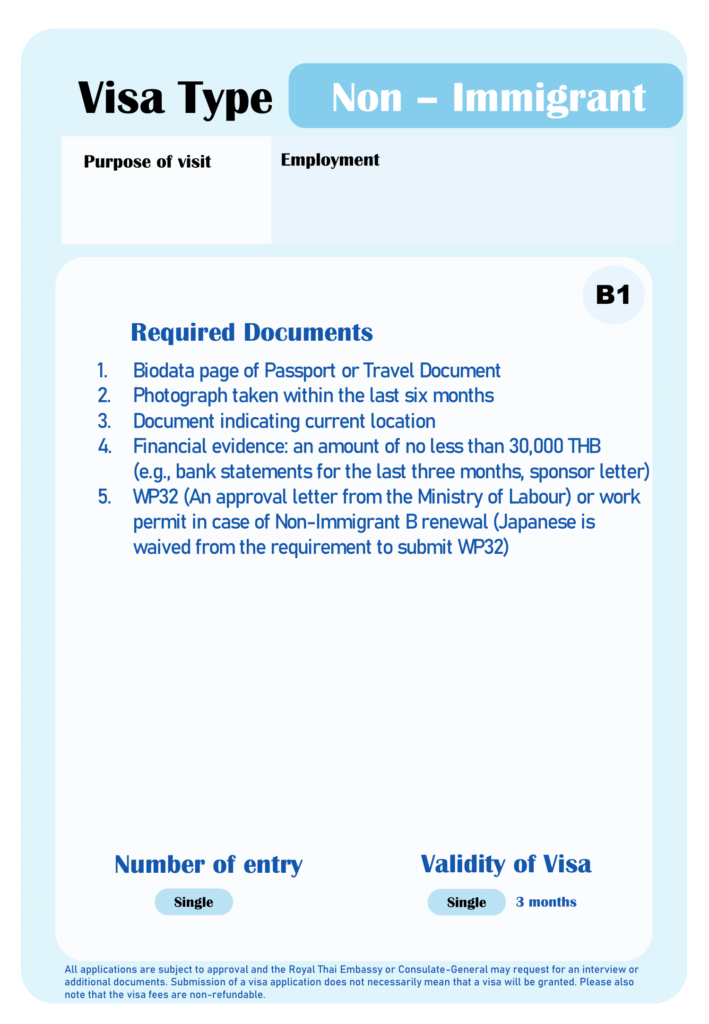
To apply for a Non-Immigrant B visa, you generally need to prepare the following documents:
1. Personal Documents
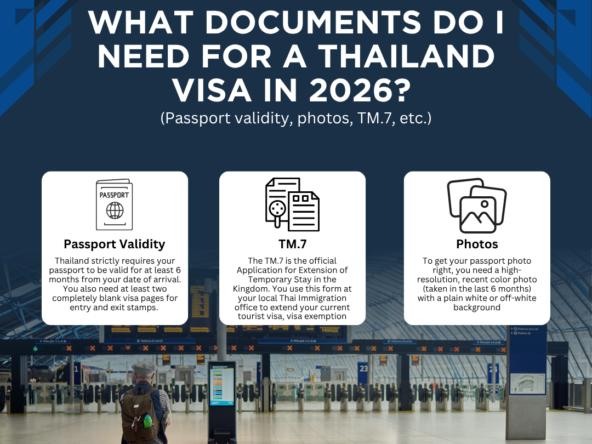
- Valid passport with at least 6 months validity
- Completed visa application form (submitted via thaievisa.go.th or at a Thai Embassy)
- Recent passport-sized photos (usually 2–4 photos)
- Proof of address in your home country (sometimes required)
2. Documents Related to Your Work or Business
- Employment contract or job offer letter from the Thai company
- Company support letter from your Thai employer (explaining your position, salary, and why you are needed)
- Proof of your qualifications (university degree, certificates, or relevant work experience)
- Copy of your resume or CV
3. Company Documents (Provided by Your Thai Employer)
The Thai company sponsoring you must usually provide:
- Company registration certificate (Bor Or Jor 3 or similar)
- Company affidavit showing directors and shareholders
- Business license (if applicable)
- Corporate tax documents and financial statements
- Proof that the company has paid social security or taxes
4. Financial Requirements
Some embassies may ask for proof of sufficient funds (around 20,000 THB per person). However, this is not always strictly enforced if you have a strong job offer.

Step-by-Step Process to Get a Non-Immigrant B Visa
- Secure a job or business setup in Thailand
You must have a legitimate offer or business before applying. - Apply for the Non-Immigrant B Visa
Submit your application at a Thai Embassy or Consulate in your home country, or through the e-Visa system. - Enter Thailand
Once approved, you can enter Thailand. You will usually be granted an initial stay of 90 days. - Apply for a Work Permit
Within Thailand, your employer must apply for your Work Permit at the Department of Employment. This usually takes 7–14 days. - Extend Your Stay (if needed)
After getting your work permit, you can extend your visa for up to 1 year at a time at immigration.
Single Entry vs Multiple Entry Non-Immigrant B
- Multiple Entry: Valid for 1 year and allows multiple entries. This is more convenient if you travel in and out of Thailand frequently.
- Single Entry: Valid for 3 months and allows one entry.
Most people doing long-term work in Thailand apply for the Multiple Entry version.

Important Things to Know
- Visa ≠ Work Permit: Many people mistakenly think getting the visa allows them to start working immediately. You must have both.
- Company Quota Rules: Thai companies have limits on how many foreign employees they can hire based on their registered capital and number of Thai staff.
- BOI Companies: If your company is promoted by the Board of Investment (BOI), the process is usually faster and easier.
- Extension: You can extend your Non-Immigrant B visa for 1 year at a time as long as you continue working for the same company and hold a valid work permit.
- Incomplete company documents from the employer
- Lack of proper qualifications or experience for the position
- Companies not meeting the minimum registered capital requirements
- Delays in getting the work permit after arriving in Thailand
Yes. Many foreigners in Chiang Mai use this visa to work in:
- Hospitality and tourism businesses
- Wellness and fitness centers (such as Muay Thai gyms)
- Cannabis dispensaries and related businesses
- International schools and language centers
- Startups and small companies
However, if your work is fully remote for a foreign company, the DTV Visa is often much easier and faster to obtain.
Final Advice
The Non-Immigrant B visa is more complicated than tourist or digital nomad visas because it requires strong company support and proper documentation. Success largely depends on having a reliable Thai employer or business setup.
If you are planning to work or start a business in Chiang Mai, it is highly recommended to consult with a visa specialist or immigration lawyer to avoid mistakes that could delay your application.
Need help understanding your visa options in Chiang Mai?
Whether you need a Non-Immigrant B visa for work, a DTV for remote work, or longer-term options, we can provide guidance alongside your property search in Chiang Mai.
Feel free to contact us for more information.