-
How to Extend Your Thailand Visa in 2026: Step-by-Step Guide
-
Which Visas Can Be Extended?
- General Requirements for Visa Extension
-
Which Visas Can Be Extended?
How to Extend Your Thailand Visa in 2026: Step-by-Step Guide
Extending your visa is one of the most important things to understand if you plan to stay in Thailand longer than your initial permission allows. In 2026, the process remains largely the same, but immigration has become stricter with documentation, especially for long-stay visas.
This guide will walk you through how to extend your Thailand visa step by step, including what documents you need and where to go (with a focus on Chiang Mai).
Which Visas Can Be Extended?
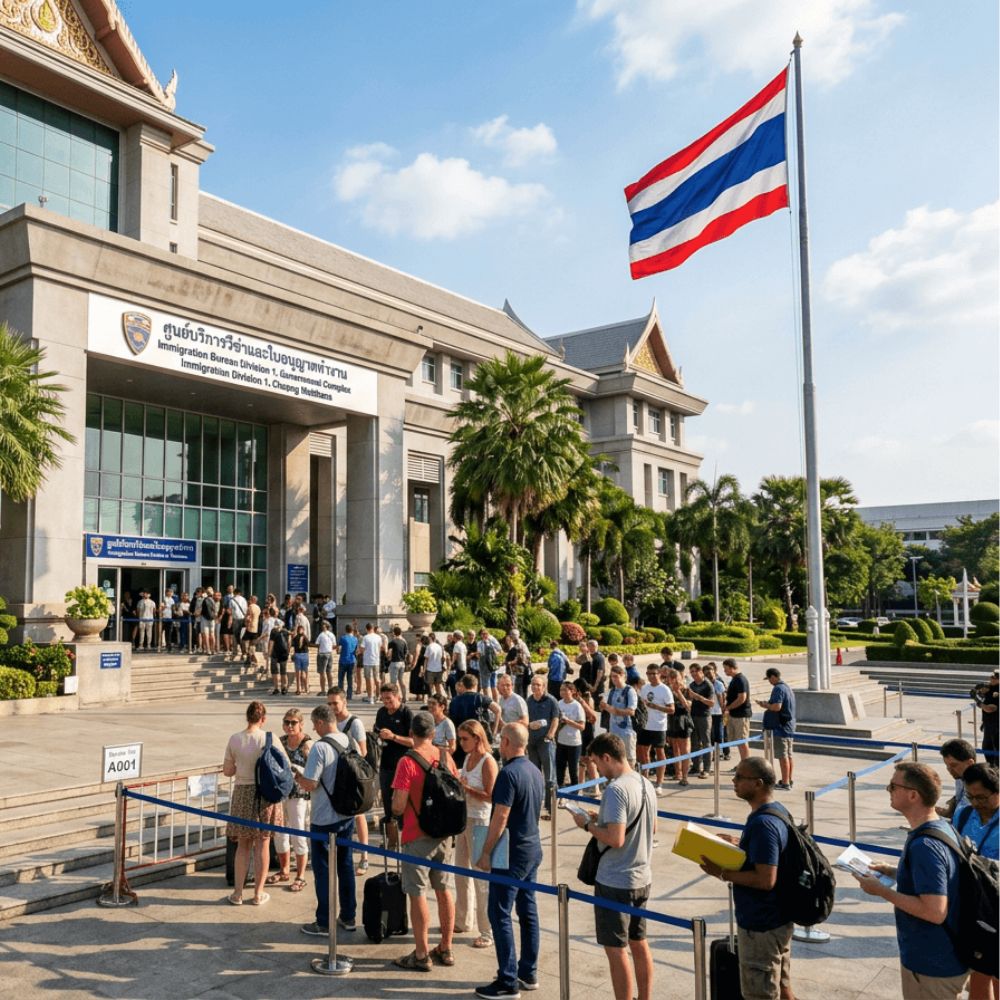
Most visas issued by Thai embassies or obtained through the e-Visa system can be extended inside Thailand. Common visas that people extend include:
- Tourist Visa (TR) – Usually extended for 30 days
- Non-Immigrant O (Retirement/Family) – Usually extended for 1 year
- Non-Immigrant B (Work/Business) – Usually extended for 1 year
- Non-Immigrant ED (Education) – Usually extended for 1 year (while studying)
- Destination Thailand Visa (DTV) – Possible but not always guaranteed
Note: Some visas like the Thailand Elite and certain LTR categories have different rules and may not require traditional extensions.
General Requirements for Visa Extension
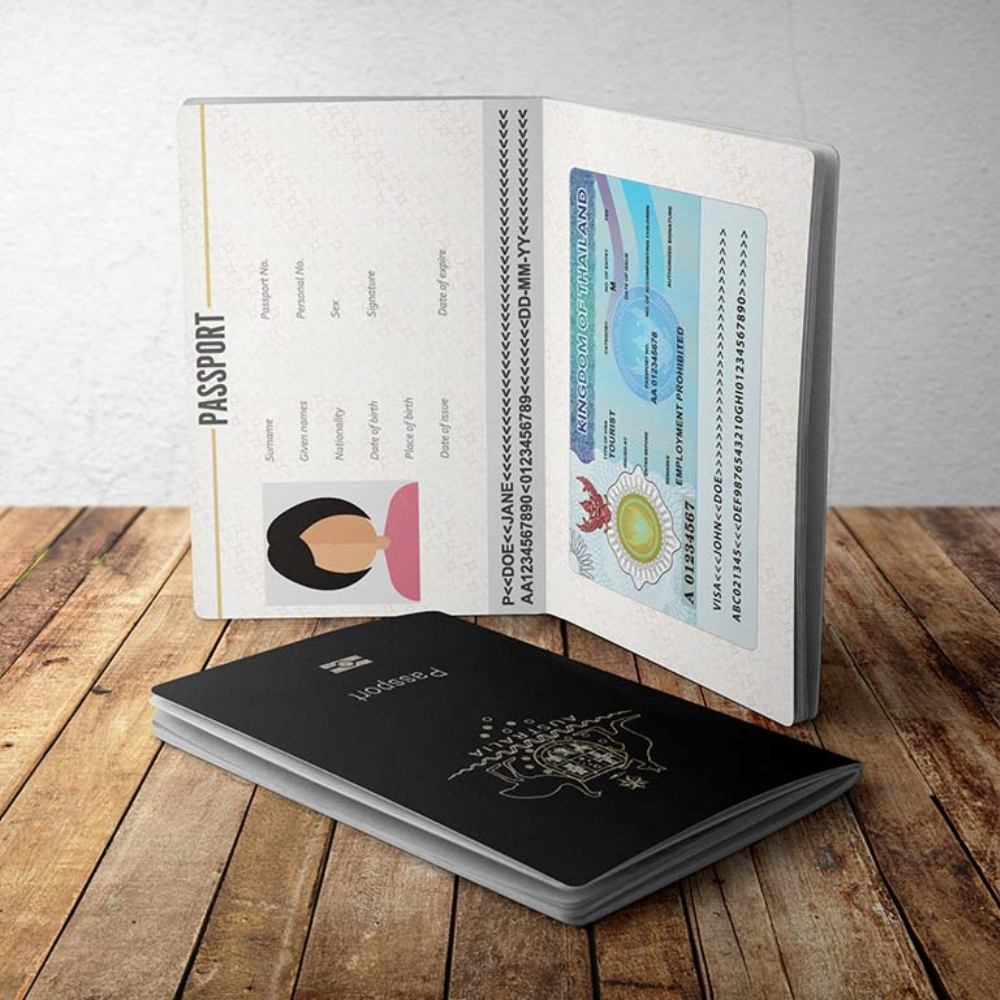
To extend your visa, you will usually need:
- Your original passport (must be valid for at least 6 months)
- TM.7 form (Visa Extension Application Form) – available at immigration or downloadable
- Recent passport photos (usually 1–2 photos)
- Copy of your current visa stamp and arrival card (TM.6)
- Proof of address in Thailand (rental contract, hotel booking, or utility bill)
- Financial proof (required for some visa types, especially retirement)
- Supporting documents depending on your visa type (e.g., retirement documents, school letter, work permit, etc.)
Step-by-Step Guide to Extend Your Visa

Here’s the general process:
Step 1: Check Your Visa Expiry Date
Do not wait until the last minute. It’s best to apply for an extension at least 7–30 days before your visa expires. Overstaying can result in fines of 500 THB per day.
Step 2: Prepare Your Documents
Gather all required documents based on your visa type. Make photocopies of everything (passport bio page, current visa, etc.).
Step 3: Fill Out the TM.7 Form
You can get the form at the immigration office or download it from the immigration website. Fill it out clearly.
Step 4: Go to the Immigration Office
You must apply in person at an immigration office. In Chiang Mai, the main office is located at:
Chiang Mai Immigration Office
Government Complex (Chang Phueak), Chiang Mai.

Step 5: Submit Your Application
Submit your documents and pay the fee. An officer will review your application. In most cases, you will receive your extension on the same day or within a few days.
Step 6: Pay the Extension Fee
- 30-day extension (Tourist Visa): 1,900 THB
- 1-year extension (Retirement, Work, Education): 1,900 THB
Step 7: Receive Your Extension
Once approved, your new permission to stay will be stamped in your passport. Always double-check the new expiry date before leaving the office.
Documents Required for Common Visa Extensions

Tourist Visa Extension:
- Passport + copies
- TM.7 form + photos
- Proof of address in Thailand
- Onward ticket (sometimes requested)
Retirement Visa (Non-O) Extension:
- Passport + copies
- TM.7 form + photos
- Proof of 800,000 THB in Thai bank or 65,000 THB monthly pension
- Health insurance policy
- Medical certificate (sometimes required)
- Proof of address
Non-Immigrant B (Work) Extension:
- Passport + copies
- TM.7 form + photos
- Valid work permit
- Company support letter
- Proof of address
DTV Extension:
- Passport + copies
- TM.7 form + photos
- Proof of 500,000 THB
- Proof of remote work or activity (may be requested)
Common Mistakes to Avoid
- Applying too late (risk of overstaying)
- Incomplete documents or missing translations
- Not having enough financial proof in the bank
- Forgetting to bring the original passport
- Assuming the DTV can always be extended easily (it is less predictable than other visas)
Final Tips
- If possible, go to immigration early in the morning to avoid long queues.
- Consider using a visa agent in Chiang Mai if your case is complicated (they can help prepare documents).
- Always check the latest requirements on the official immigration website before going, as rules can change.
Extending your visa on time is one of the most important responsibilities when living in Thailand. Staying legal helps avoid stress and keeps your future visa applications smoother.